
Most restaurant owners hear big social numbers and have no idea what produced them. So instead of another list of tips, here is a full year of real work: what we posted, how often, what we shot, and what the platforms actually reported back. If you are ready to hire help rather than read about it, our restaurant marketing services page is the place to start.
What does a restaurant social media marketing case study reveal?
A useful restaurant marketing case study shows the inputs, not just the outputs. Over twelve months with Cookies N' Cream, the inputs were consistent: monthly on-site shoots, founder-led storytelling, product-forward Reels, seasonal campaigns, and local creator partnerships. The outputs the platforms reported were 6.7M+ documented views, an Instagram following that moved from 6,409 to 16,034, 10.5K+ net-new followers across Instagram and TikTok, and a combined community of 43K+ across the brand's store pages.
How did we grow the Instagram following?
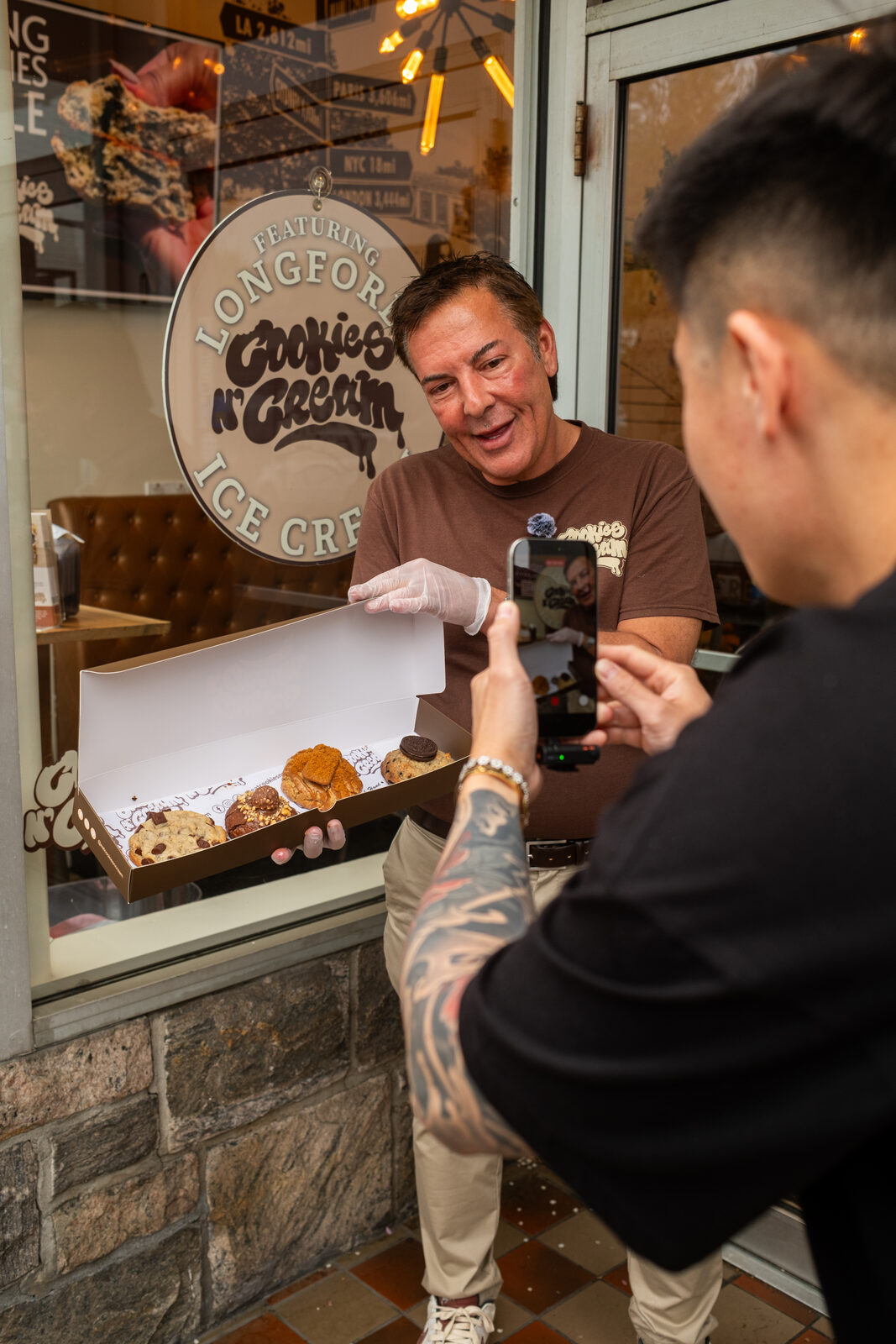
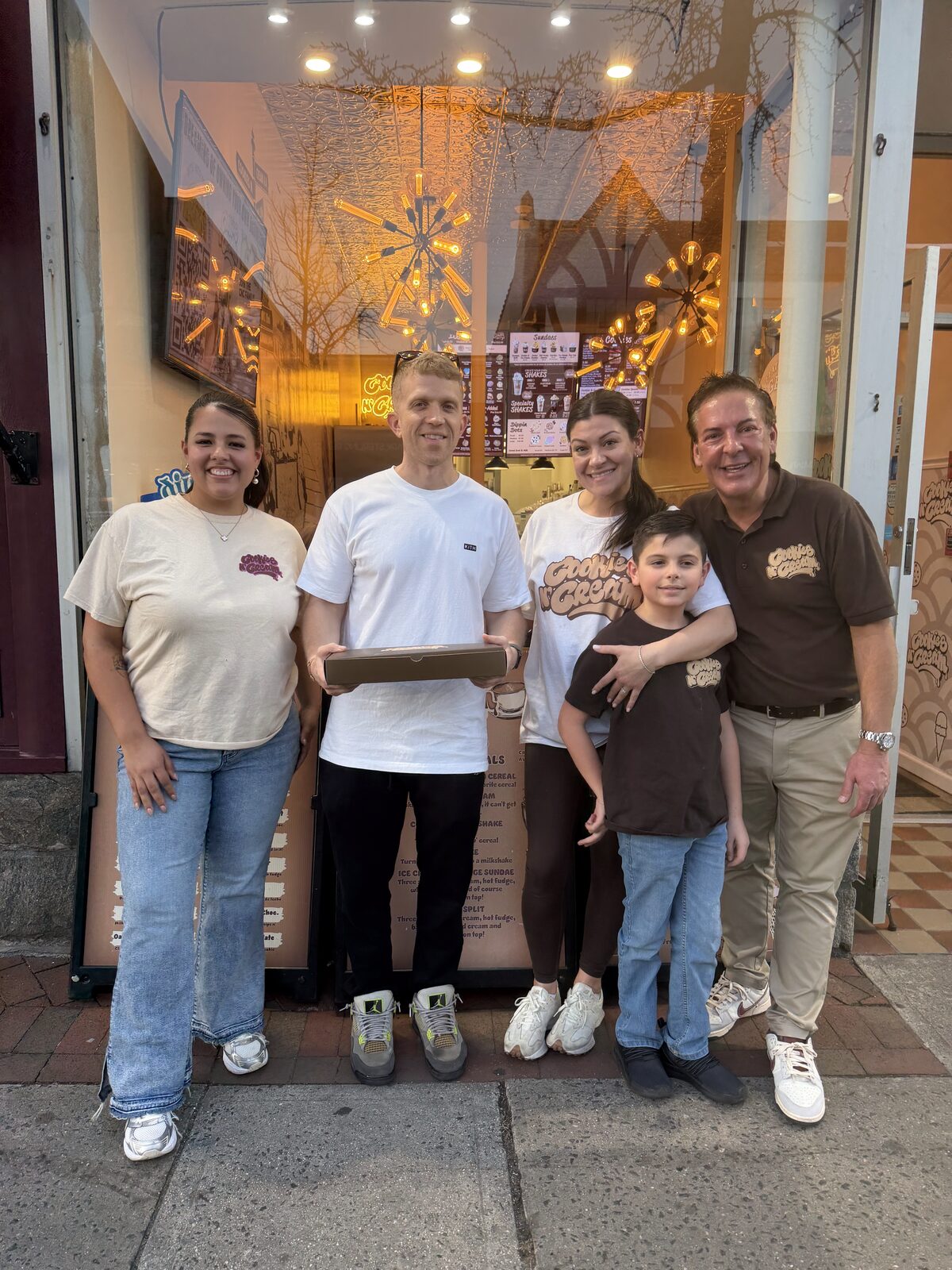
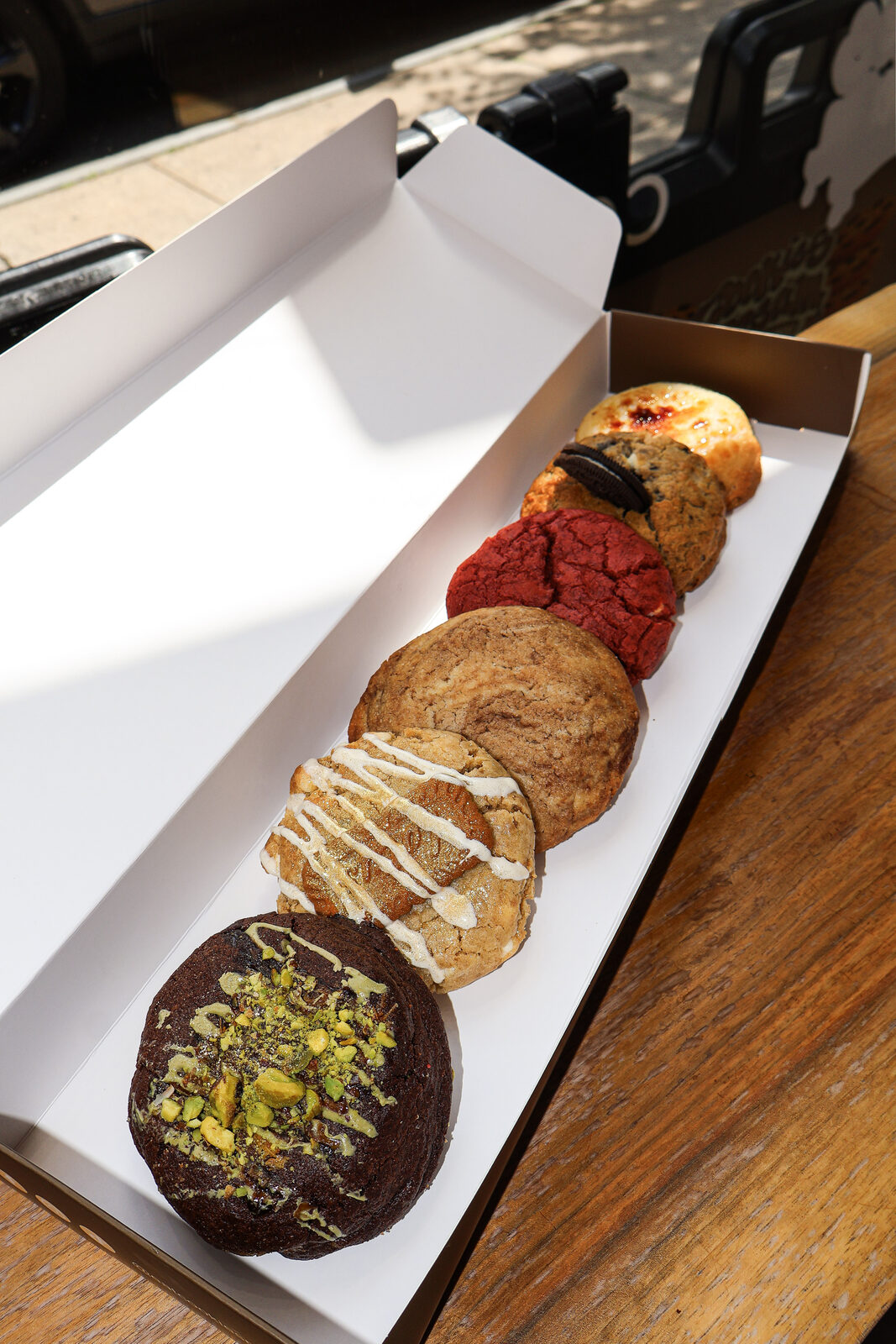
Growth came from volume plus variety, not one viral moment. We produced 250+ pieces of content across the year — Reels and photography covering product drops, founder stories, seasonal campaigns, and everyday store moments. Roughly a third of the calendar was product craving content, a third was people and personality, and a third was promotions and community. That mix keeps a feed from becoming an ad wall, which is what most social media marketing for restaurants gets wrong.
What content actually moved the needle?
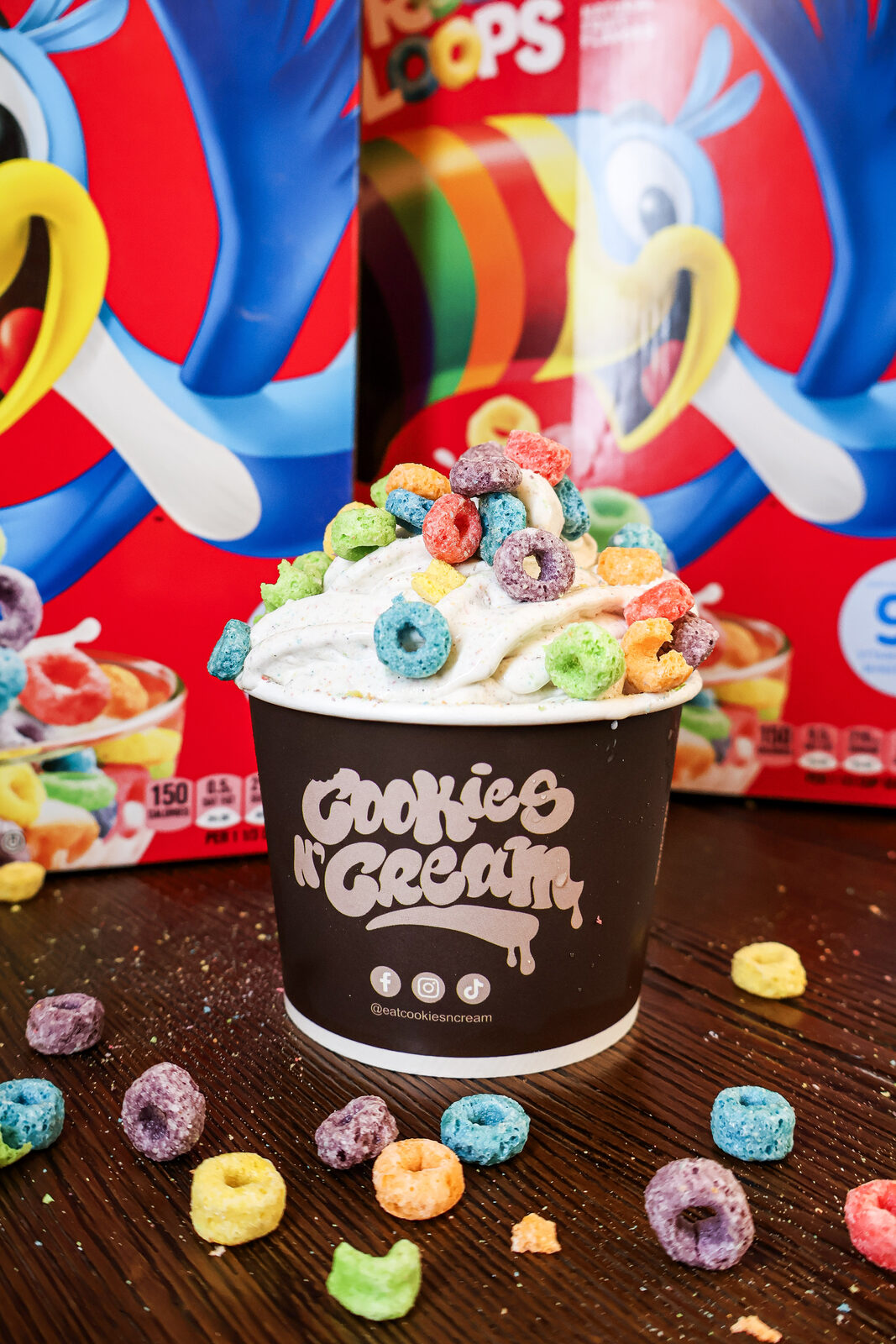
The clear winner was founder-led, human-focused content. Video with the owner and team on camera consistently outperformed everything else — it gave a growing store network one recognizable voice and gave viewers a reason to care beyond the product. Product moments supported that (a cookie box opening, a cereal-topped ice cream cup make craving easy to trigger), and collaborations amplified reach: we ran 17+ influencer and local partnerships, and one reported collaboration alone drove 80K+ views and 800+ shares. The first month set the tone with a reported +34% net sales lift and a +517% increase in views month over month.
Local context: what this looks like across the Tri-State
We build the same engine for restaurants and food brands across Westchester, the Hudson Valley, NYC, Long Island, and Fairfield County. Local audiences behave differently than national ones: they respond to recognizable streets, staff faces, and neighborhood events far more than polished brand campaigns. If you operate here, our Westchester County marketing agency page covers how we work with local operators day to day.
What can other restaurants learn from this?
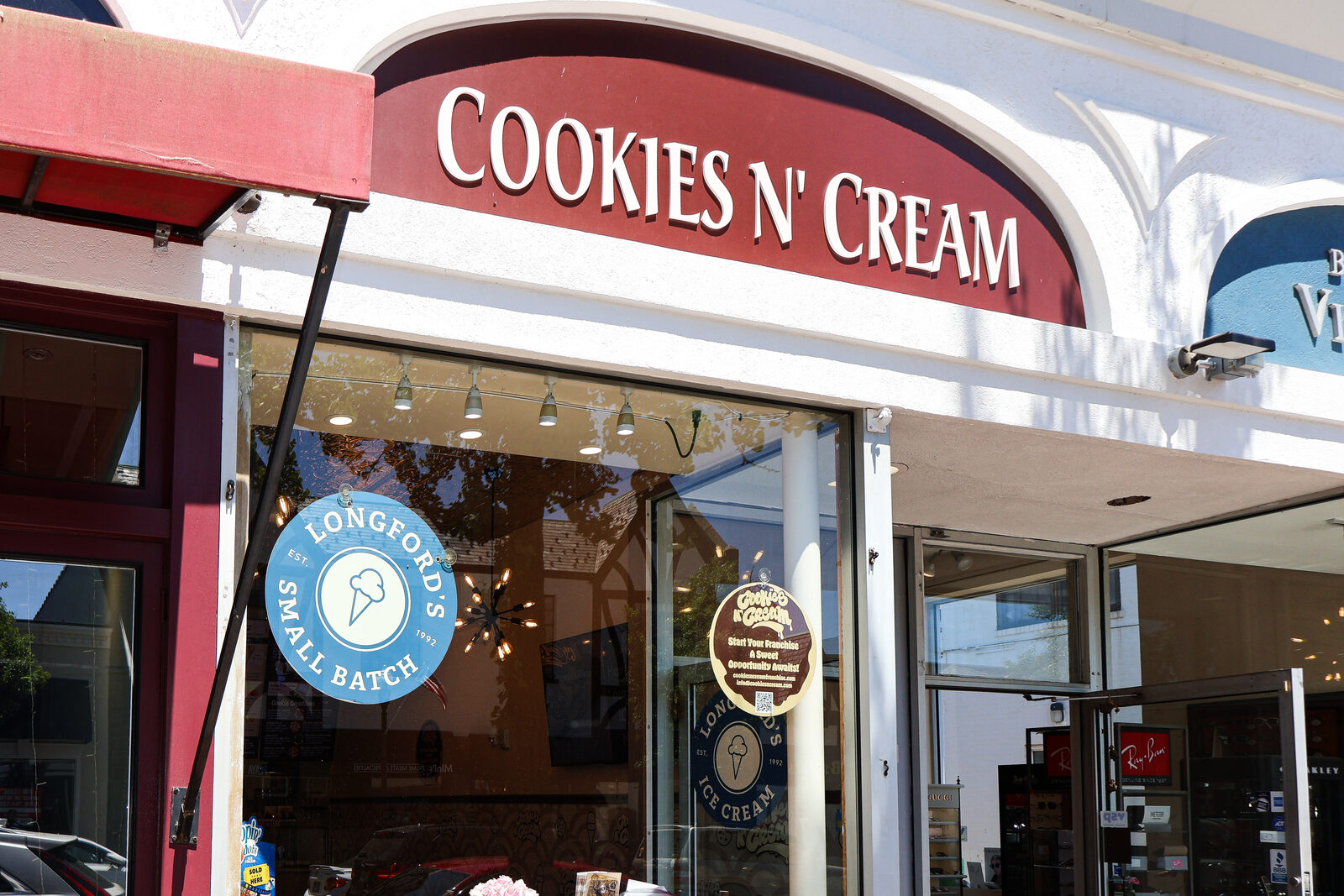
The honest takeaway is that consistency beat cleverness. There was no growth hack — there was a shoot day every month, a content calendar that never went dark, and a partner handling both the camera and the posting. Cookies N' Cream also grew from 4 to 11 open locations during this period; that expansion is entirely the brand's own business achievement. Our role was content, social media management, and community-building, and we were proud to help carry one voice across a growing store network.
A year-one checklist for restaurant owners
- Book one on-site content shoot per month — never rely on phone leftovers.
- Plan a monthly content calendar before you shoot, so every clip has a slot.
- Put a human on camera: the owner, the chef, or a staff regular.
- Shoot product close and slow — texture, pour, pull-apart, steam.
- Run one local collaboration per month with a nearby creator or business.
- Repost customer content weekly; it is free and it builds community.
- Track saves, shares, and profile taps — not likes.
- Tie one promotion per month to a real in-store offer you can measure.
- Review reported platform numbers monthly and cut whatever nobody watches.
- Keep every location on-brand with shared assets and captions.
We do not sell posting packages — we build content engines. That means the same team shooting, editing, scheduling, and reading the numbers, which is why a restaurant social media strategy holds together for twelve straight months instead of three. You can read the full numbers on the Cookies N' Cream case study, or see how the day-to-day works on our social media management services page. If you want this run for your restaurant, book a free consultation with SparkTrail.